Insights & Articles
The Framework First Blog
Framework thinking in practice — decision-making, cognitive traps, and applied playbooks from the four stages.
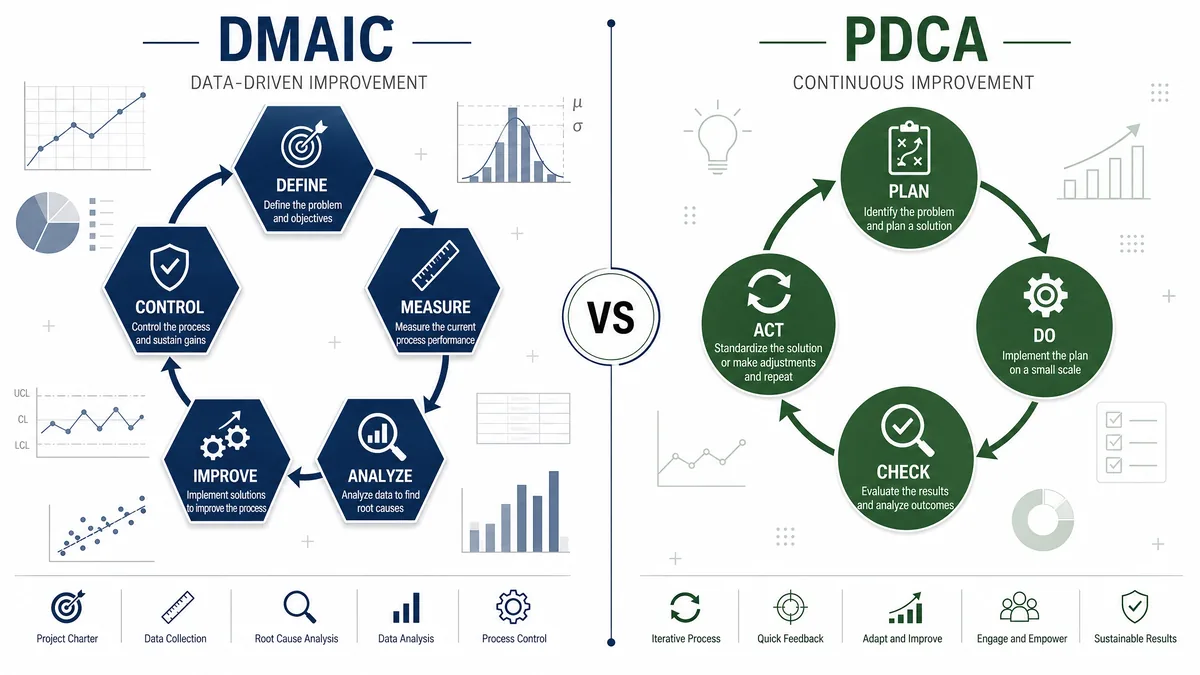
DMAIC vs PDCA: Which One Do You Reach For? (With a Decision Table That Actually Decides)
DMAIC or PDCA? This in-depth guide breaks down the key differences, a side-by-side comparison, and a practical decision table to help you choose the right process improvement framework for your situation — with four real-world scenarios.
July 7, 2026
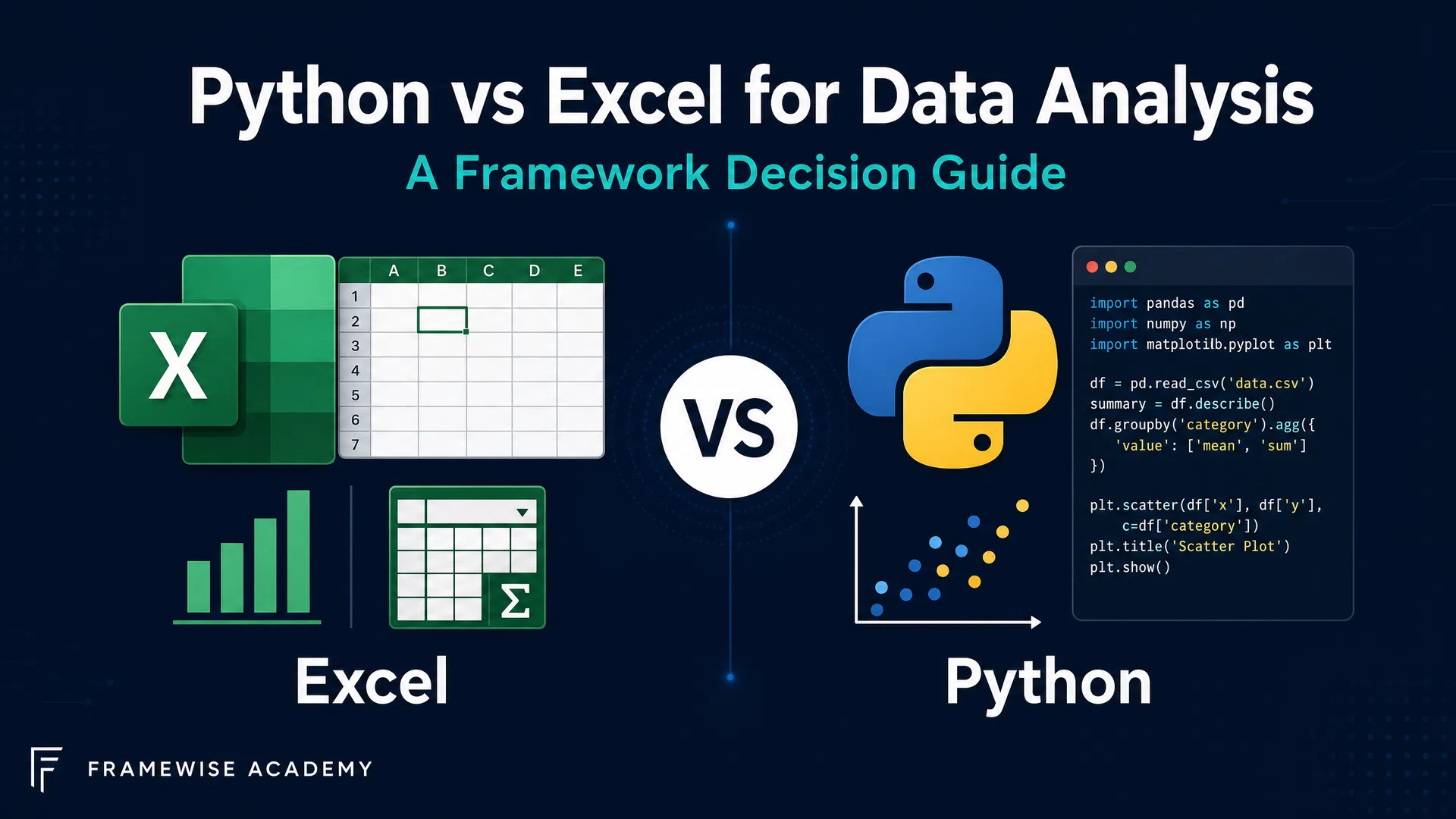
Python vs Excel for Data Analysis: A Framework Decision Guide
Python vs Excel for data analysis — a structured decision framework to help analysts choose the right tool based on dataset size, complexity, automation needs, and career trajectory.
May 21, 2026
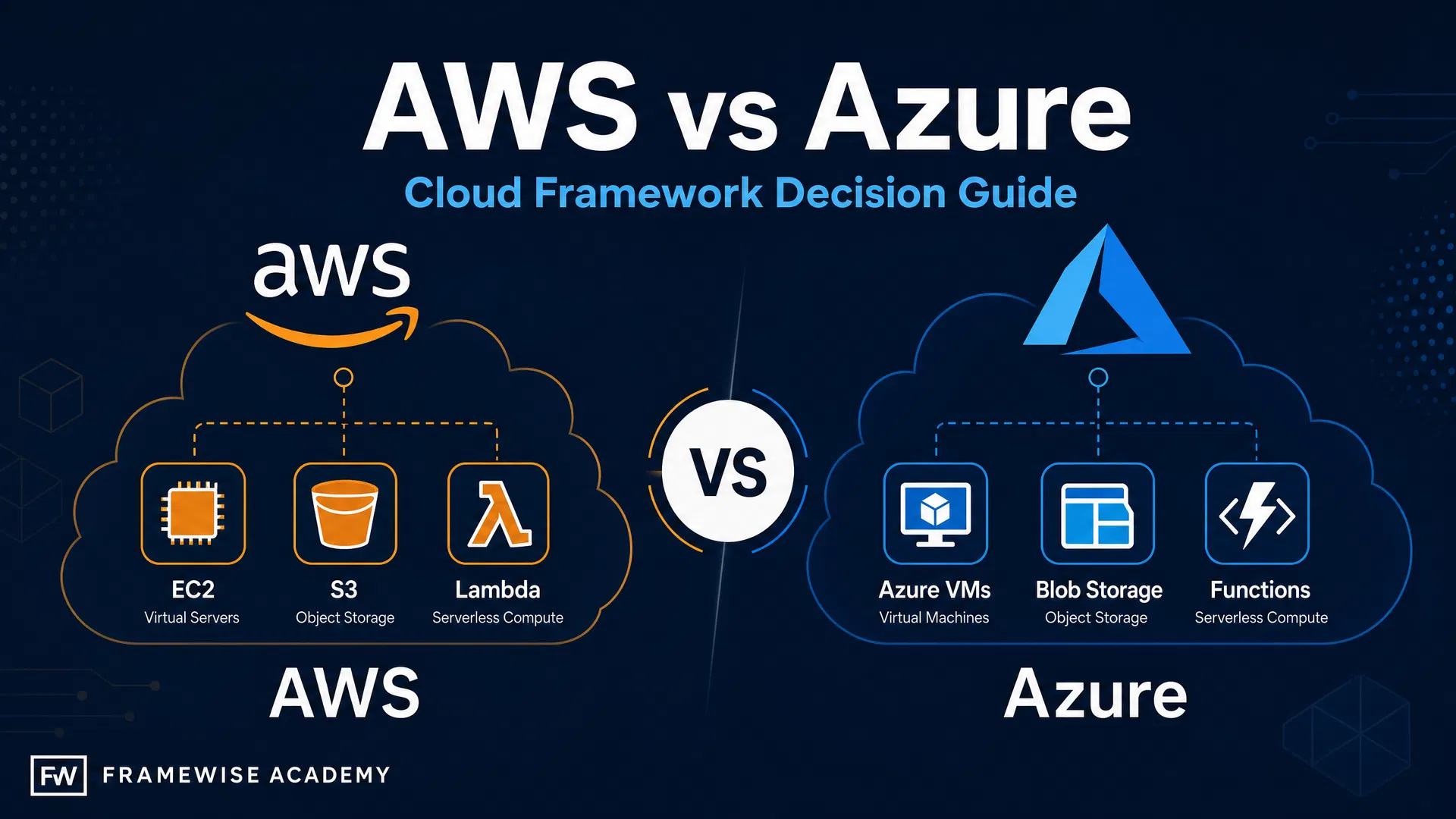
AWS vs Azure: Cloud Comparison, Services & Decision Guide
AWS vs Azure — a structured comparison of the two leading cloud platforms across service categories, architecture frameworks, certification paths, and a decision guide for choosing the right provider.
May 21, 2026
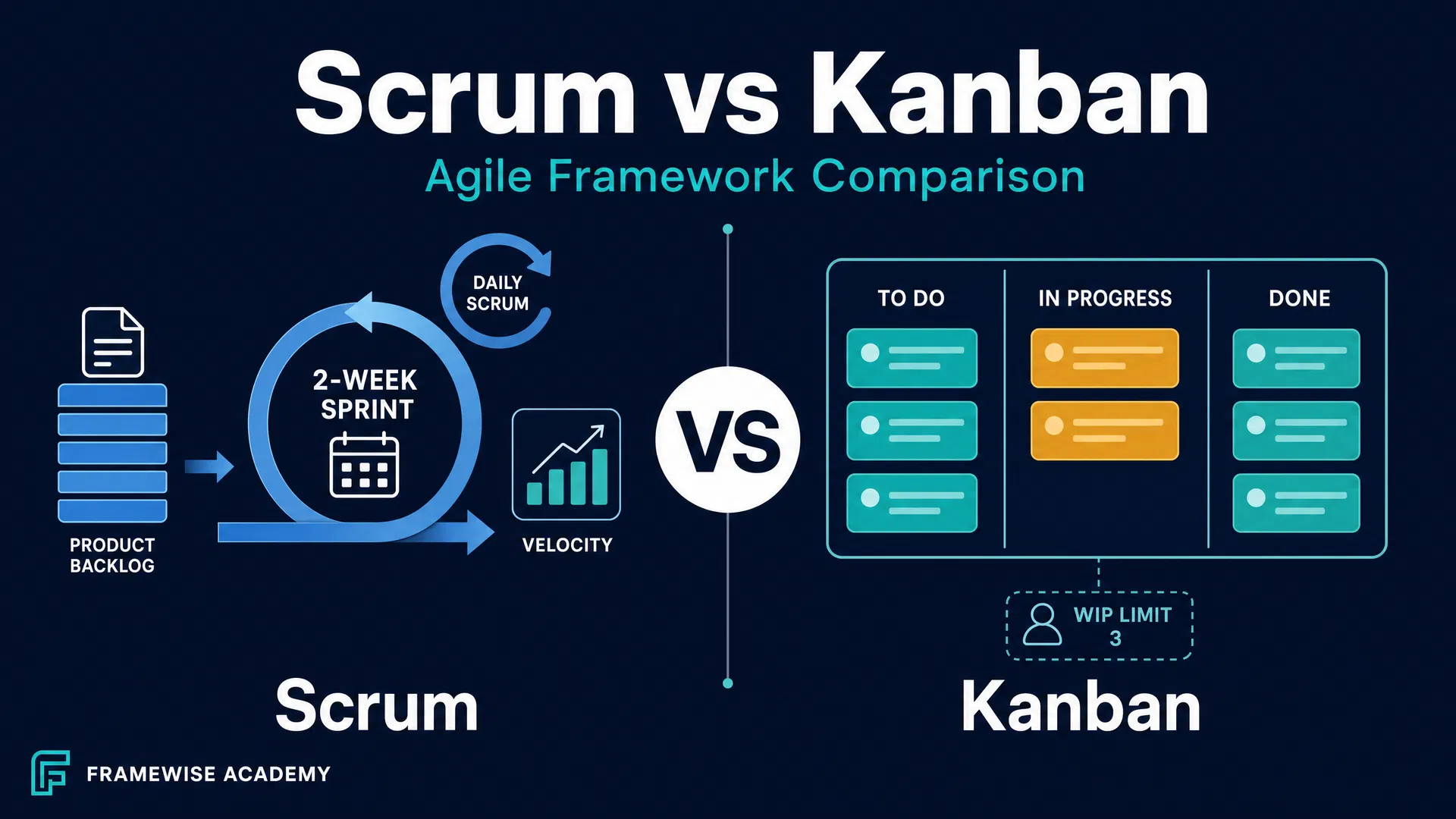
Scrum vs Kanban: Agile Framework Comparison
Scrum vs Kanban — a framework-focused comparison of two leading Agile methodologies, including a decision guide to help teams choose the right approach for their context.
May 21, 2026
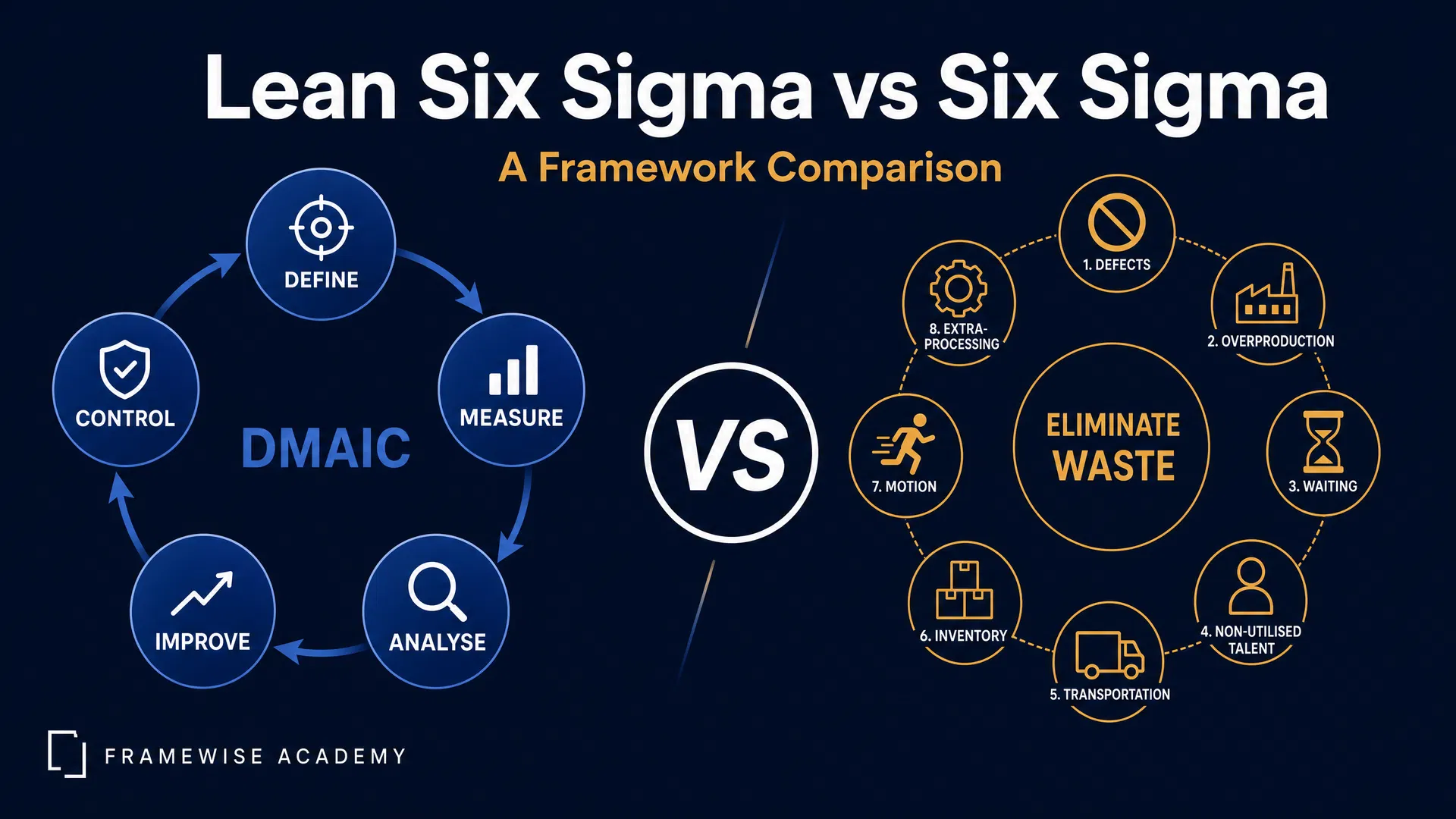
Lean Six Sigma vs Six Sigma: Differences & When to Use Each
Understand the key differences between Lean Six Sigma and Six Sigma, when to use each, and how to choose the right roadmap for your process improvement goals.
May 21, 2026

Why Memorising Python Syntax Is the Wrong Goal (And What to Do Instead)
Every Python beginner starts the same way — copying syntax, memorising methods, hoping it sticks. Here's why that approach fails, and what framework thinking looks like in practice.
May 12, 2026

The Six Sigma Mindset: How Structured Problem-Solving Makes You Irreplaceable at Work
Six Sigma is not just a certification. It is a way of seeing problems that most people walk past every day. Here is what the DMAIC framework actually teaches you — and why it transfers far beyond manufacturing.
May 11, 2026

Agile Is Not a Process. It Is a Decision Framework — Here Is the Difference.
Most teams implement Agile as a set of rituals — standups, sprints, retrospectives. But the teams that actually benefit from Agile understand it as a framework for making better decisions under uncertainty.
May 10, 2026

What Machine Learning Actually Teaches You About Decision-Making
The most important lesson from machine learning has nothing to do with algorithms. It is about how to frame a problem before you try to solve it — a skill that transfers to every decision you make.
May 9, 2026

Cloud Computing Is Not About Servers. It Is About Thinking in Systems.
The engineers who get the most from cloud platforms are not the ones who memorised the most AWS services. They are the ones who learned to think about infrastructure as a system of trade-offs.
May 8, 2026
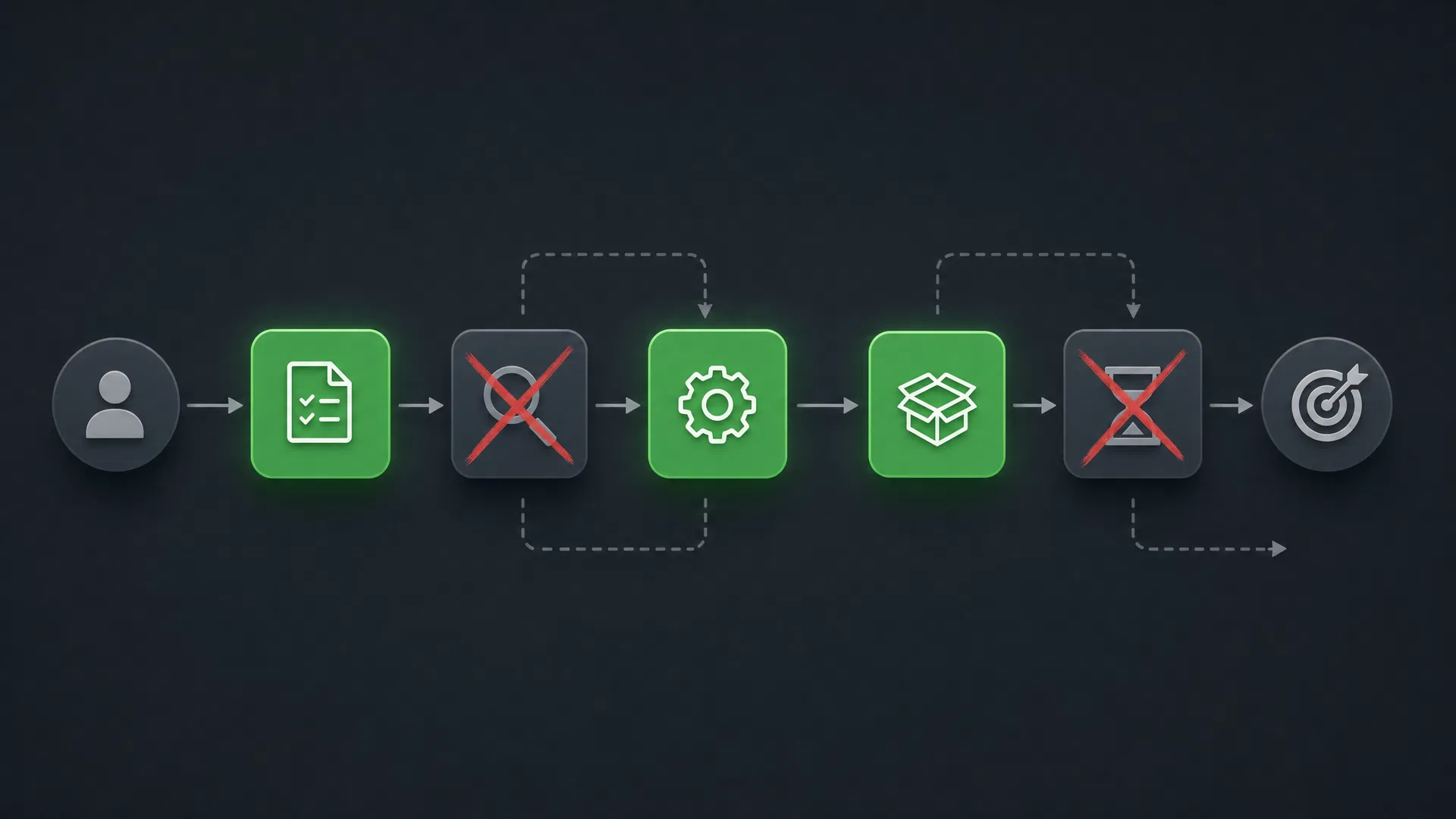
Lean Thinking Is Not About Cutting Costs. It Is About Seeing Waste You Did Not Know Existed.
Most people think Lean is a cost-cutting tool. It is not. It is a perceptual framework — a way of seeing your work that reveals hidden waste, unnecessary complexity, and value that is being destroyed without anyone noticing.
May 7, 2026

NLP Is Not About Chatbots. It Is About Understanding How Language Shapes Thought.
Neuro-Linguistic Programming gets dismissed as pop psychology. But at its core, NLP offers a genuinely useful framework for understanding how the language you use — internally and externally — shapes the decisions you make and the results you get.
May 6, 2026

Neuroplasticity and Learning: Why How You Study Matters More Than How Long You Study
The science of neuroplasticity has transformed our understanding of how the brain learns. The key insight is not that you need to study more — it is that the way you study determines whether learning actually sticks.
May 5, 2026

Why Critical Thinking Is the One Skill AI Cannot Replace (And How to Build It)
Every conversation about AI and the future of work eventually arrives at the same question: what skills will remain valuable when AI can do almost everything? Critical thinking is at the top of every serious answer — and here is what it actually means to develop it.
May 4, 2026

The Framework Thinker's Advantage: Why the Future Belongs to People Who Learn How to Learn
The half-life of specific technical knowledge is shrinking. The value of knowing how to acquire new knowledge quickly is growing. Here is what separates the professionals who will thrive in the next decade from those who will struggle to keep up.
May 3, 2026

The Boeing 737 MAX Disaster: What Structured Thinking Could Have Prevented
Two crashes, 346 lives lost, and $20 billion in losses. The Boeing 737 MAX disaster is one of the most studied engineering and management failures of the modern era — and at its core, it is a story about what happens when structured problem-solving is abandoned under commercial pressure.
May 2, 2026

Theranos: The $9 Billion Case Study in What Happens When Critical Thinking Fails
At its peak, Theranos was valued at $9 billion. Its founder, Elizabeth Holmes, was on the covers of Forbes and Fortune. Hundreds of patients received inaccurate medical test results. Here is what the collapse of Theranos teaches about the cost of abandoning critical thinking.
May 1, 2026

Kodak, Nokia, Blockbuster: The $100 Billion Cost of Failing to Learn
These three companies were not destroyed by competitors. They were destroyed by their own inability to learn, adapt, and apply new frameworks to a changing world. The data behind their collapses reveals a pattern that every professional and organisation should understand.
April 30, 2026

Why 70% of Digital Transformations Fail — And What the Successful 30% Do Differently
McKinsey research consistently finds that around 70% of large-scale transformation programmes fail to meet their objectives. The reasons are not primarily technical. They are about thinking frameworks, organisational culture, and how decisions are made under uncertainty.
April 29, 2026

The Science of Deep Work: Why the Most Productive People Work Less Than You Think
Research on cognitive performance consistently finds that the relationship between hours worked and output is not linear — it is an inverted curve. The professionals who produce the most are not the ones who work the longest. They are the ones who have learned to protect and structure their most cognitively demanding work.
April 28, 2026
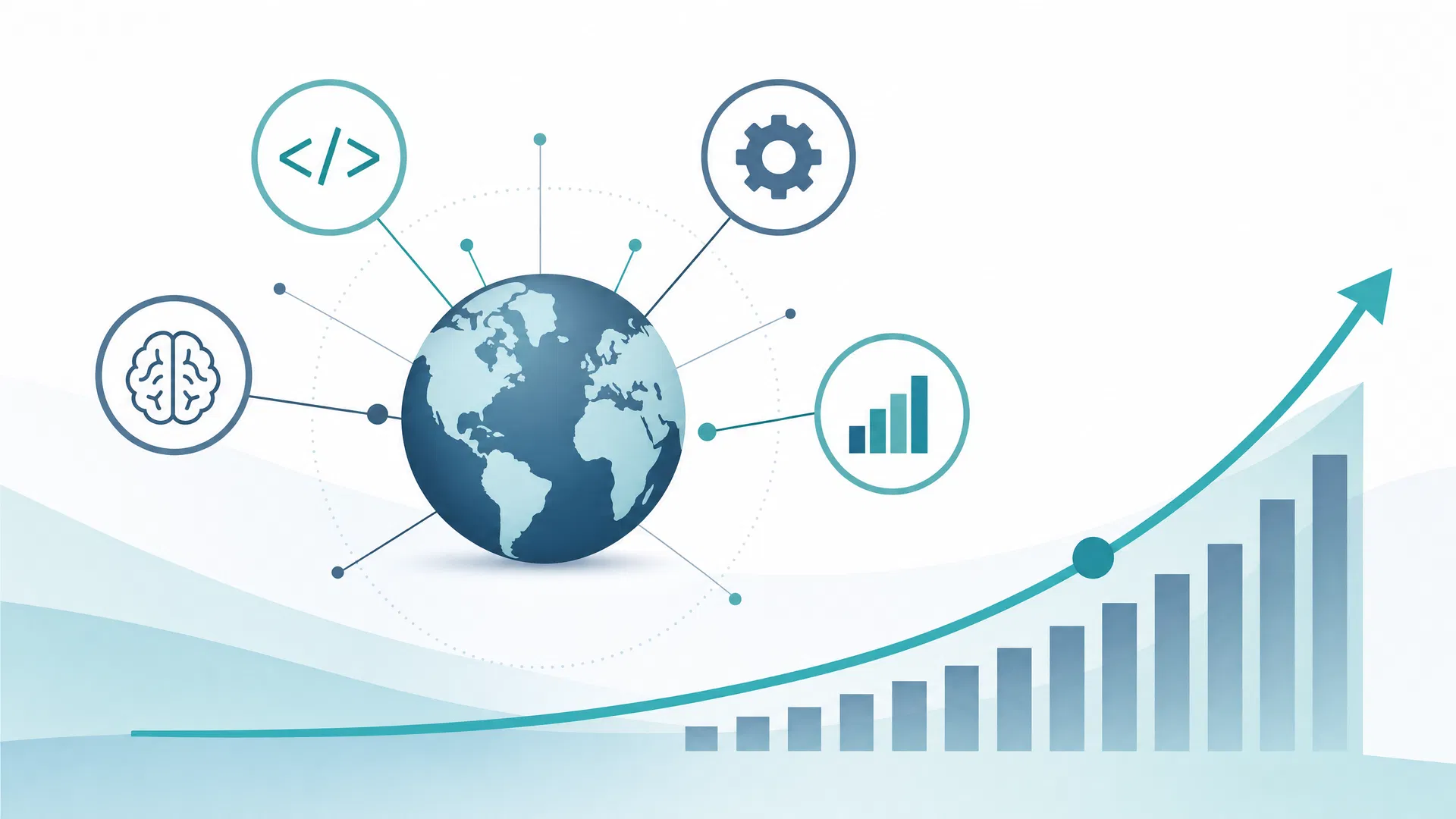
The World Economic Forum's Future of Jobs Report: What the Data Says About Skills in Demand
The World Economic Forum's Future of Jobs reports are among the most cited sources on the changing landscape of work. Here is what the data actually shows — which skills are growing, which are declining, and what it means for how you should invest in your own development.
April 27, 2026

How Amazon Built a Learning Culture — And Why It Became Their Most Durable Competitive Advantage
Amazon's dominance across e-commerce, cloud computing, logistics, and entertainment is often attributed to technology and scale. The deeper explanation is a set of thinking frameworks — the Leadership Principles, the two-pizza team, the six-page memo — that were designed to make learning and good decision-making structural rather than accidental.
April 26, 2026

The Data Literacy Gap: Why 74% of Employees Feel Unprepared to Work with Data
Organisations are collecting more data than ever before. Yet research consistently finds that the majority of employees lack the skills to use that data effectively. The data literacy gap is one of the most expensive skill shortages in the modern economy — and it is almost entirely a thinking problem, not a technology problem.
April 25, 2026

The Retrospective Advantage: How Teams That Reflect Outperform Teams That Just Execute
Research on team performance consistently finds that the teams that improve fastest are not the ones that work the hardest. They are the ones that reflect most deliberately. The retrospective is not a meeting — it is a learning framework.
April 24, 2026

The Lean Startup: What the Data Actually Shows About Build-Measure-Learn
Eric Ries's Lean Startup methodology has been adopted by hundreds of thousands of companies worldwide. But what does the evidence actually show about its effectiveness? And why do so many teams adopt the language of Lean Startup without the thinking framework behind it?
April 23, 2026
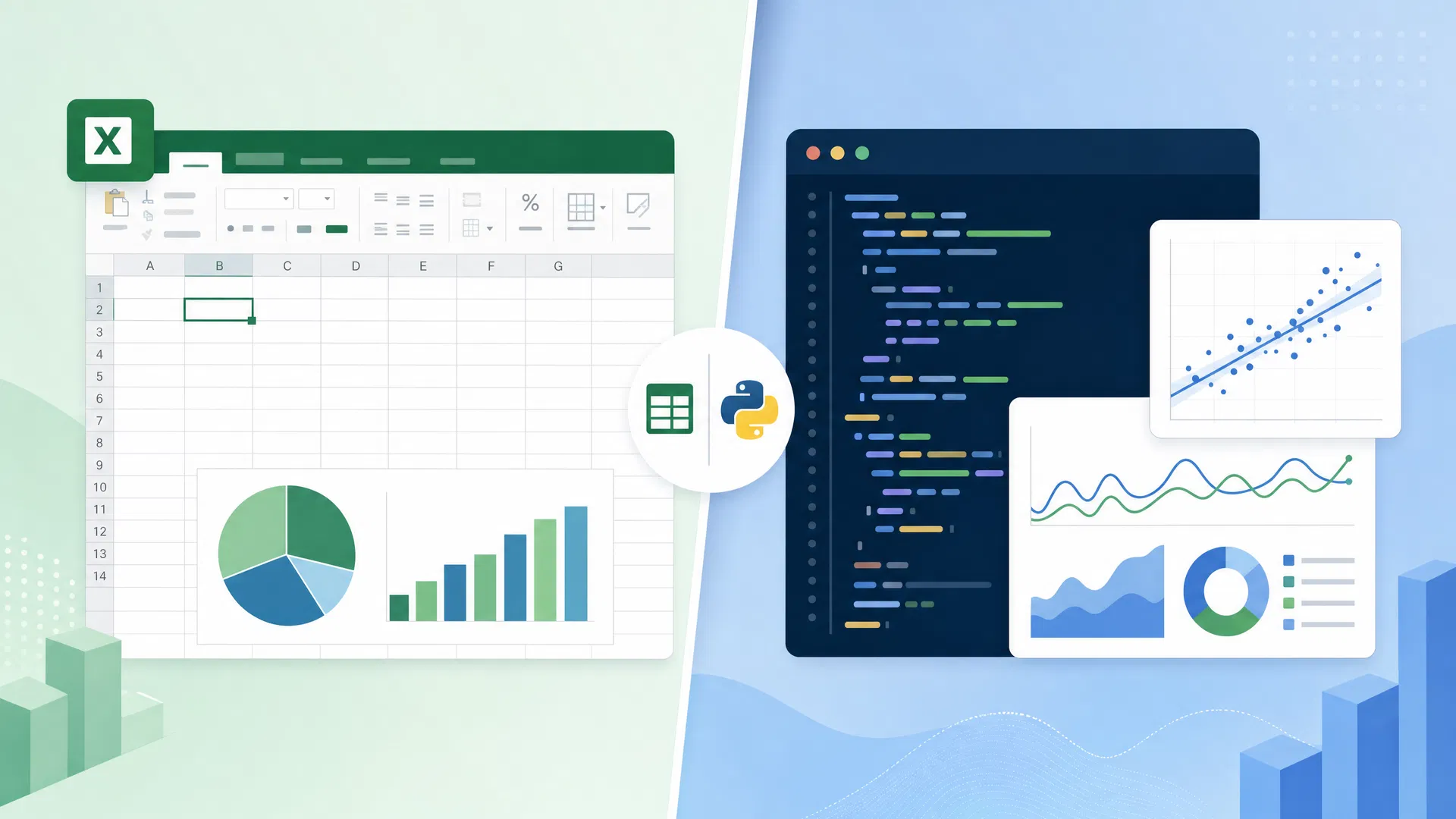
Python vs Excel for Data Analysis: A Framework for Choosing the Right Tool
The debate between Python and Excel is often framed as a competition. It is not. It is a decision framework problem — understanding which tool is right for which job, and why choosing based on familiarity rather than fit is one of the most common and costly analytical mistakes.
April 22, 2026
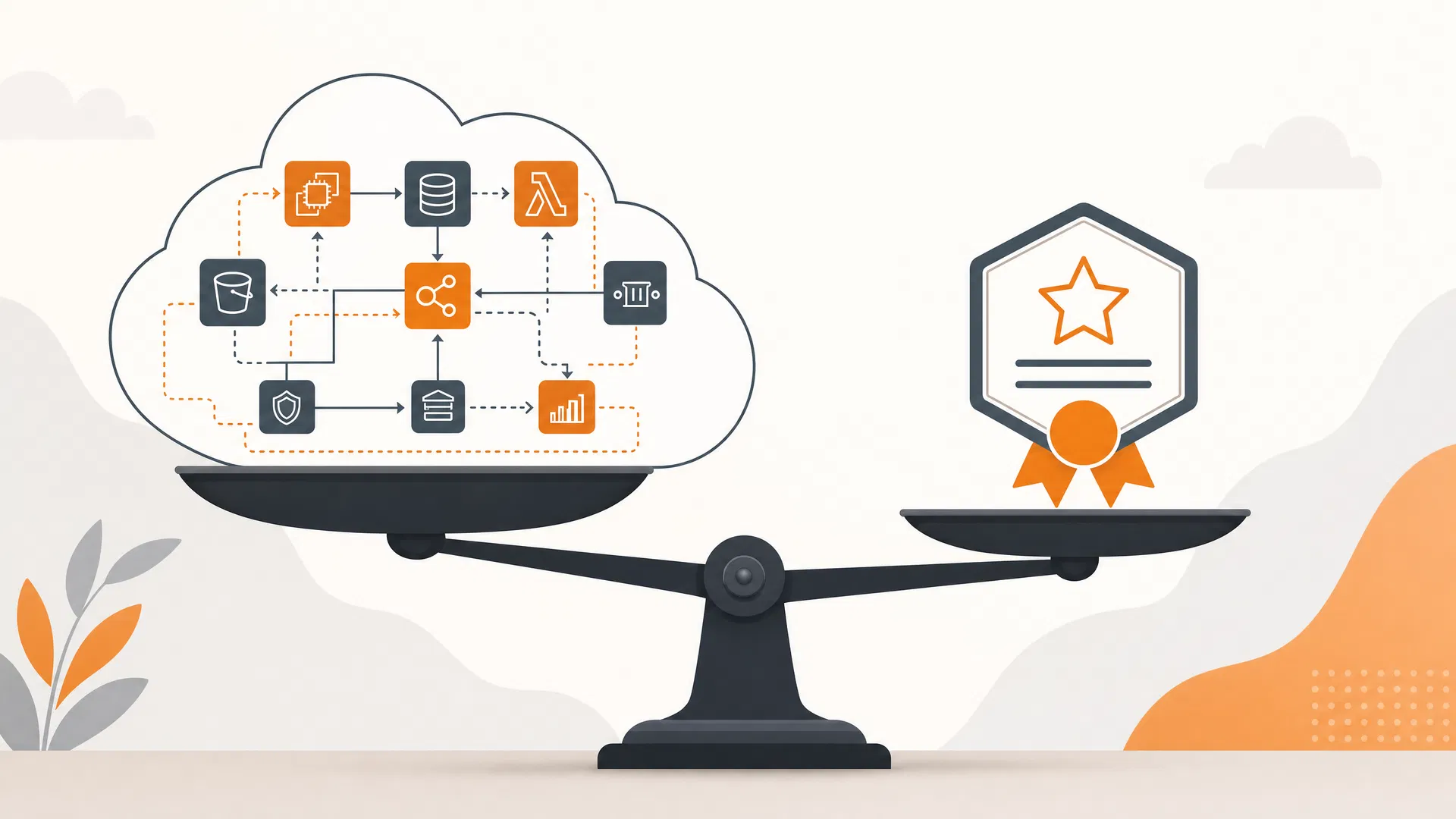
AWS Certification vs Real Cloud Skills: What Employers Actually Look For
AWS certifications are among the most sought-after credentials in technology. But research on hiring and job performance consistently finds a gap between certification and capability. Here is what employers actually want — and how to build the cloud skills that matter.
April 21, 2026
Six Sigma Black Belt: What the ROI Data Actually Shows
Six Sigma certifications are among the most expensive professional credentials available. Are they worth it? The data from companies that have implemented Six Sigma at scale — from Motorola to GE to Honeywell — tells a nuanced story about when structured problem-solving produces extraordinary returns and when it does not.
April 20, 2026

Growth Mindset: What Carol Dweck's Research Actually Shows (And What Gets Misquoted)
Carol Dweck's growth mindset research is among the most cited in education and professional development. It is also among the most misunderstood. Here is what the evidence actually shows — and how to apply it in ways that produce real results rather than just positive thinking.
April 19, 2026

The Scrum Master Role Is Widely Misunderstood — Here Is What It Actually Is
Many organisations hire Scrum Masters as project managers with a different title. This misunderstanding is one of the most common reasons Agile transformations fail to deliver their potential. Here is what the Scrum Master role actually requires — and why it is fundamentally a thinking facilitation role.
April 18, 2026

Lean Six Sigma in Healthcare: Case Studies and Data from the Frontlines
Healthcare is one of the most complex and high-stakes environments for process improvement. The application of Lean Six Sigma in hospitals and health systems has produced some of the most compelling evidence for structured problem-solving — and some of the most instructive failures.
April 17, 2026
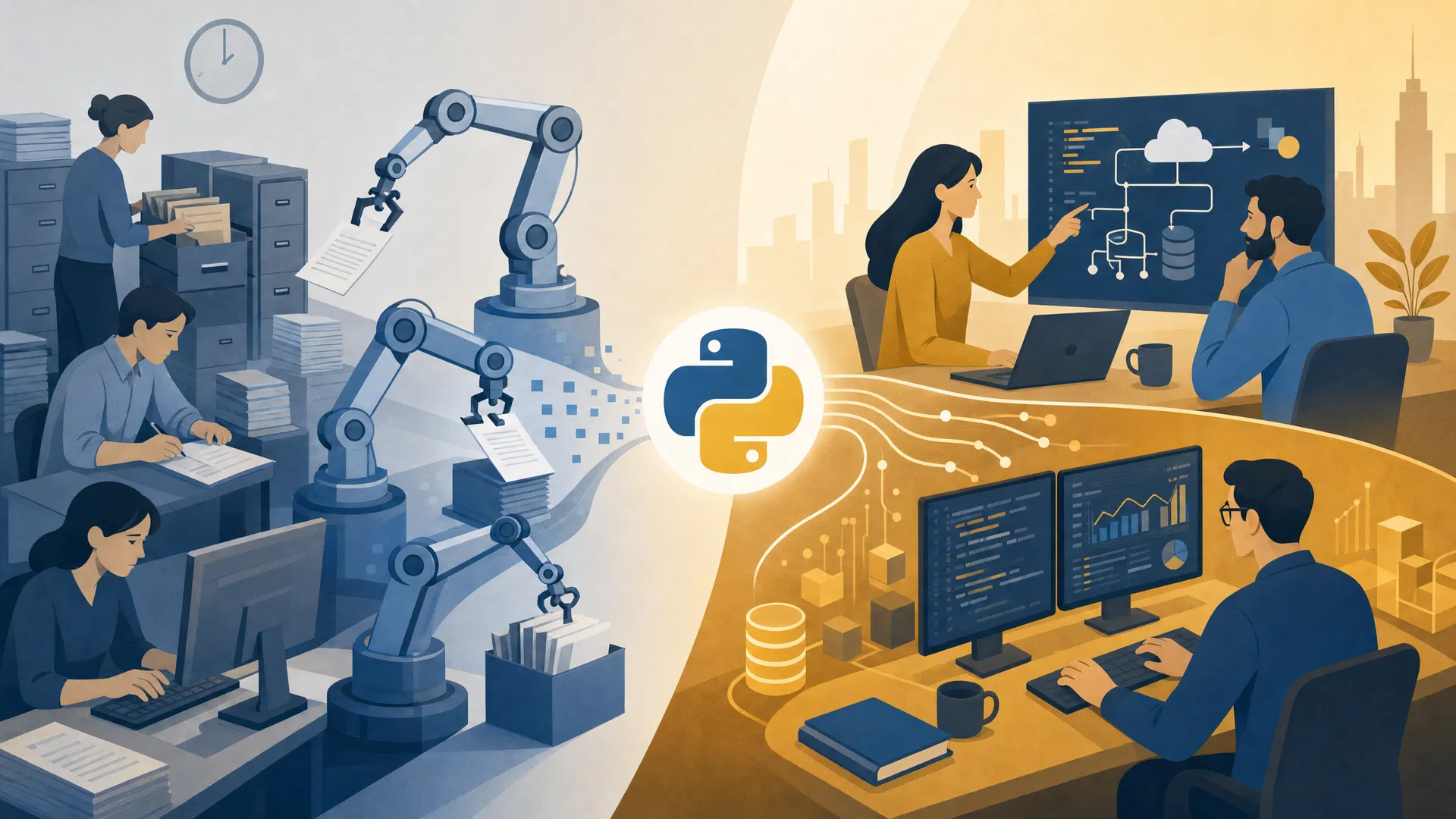
Python Automation: The Jobs It Is Eliminating and the New Roles It Is Creating
Automation anxiety is real — but the data tells a more nuanced story than either the optimists or the pessimists suggest. Here is what is actually happening to jobs as Python automation becomes mainstream, and what it means for how you should position your skills.
April 16, 2026

When Cloud Migrations Go Wrong: Case Studies and the Framework for Getting It Right
Cloud migration is one of the most common and most frequently mismanaged technology initiatives. The failures are instructive — not because they reveal exotic technical problems, but because they reveal the same thinking failures that appear in every complex organisational change.
April 15, 2026

EQ vs IQ at Work: What the Research Actually Shows About Emotional Intelligence and Performance
The claim that emotional intelligence (EQ) matters more than IQ for workplace success has been repeated so often it has become received wisdom. But what does the research actually show? The evidence is more nuanced — and more useful — than the popular version suggests.
April 14, 2026

First Principles Thinking: The Framework Behind SpaceX, Tesla, and Every Breakthrough Problem-Solver
First principles thinking is one of the most powerful problem-solving frameworks available — and one of the least practised. Here is what it actually means, why it is so difficult, and how to develop it as a deliberate skill.
April 13, 2026