Stage 01 — Diagnose: Find the Real Problem First
Frameworks for Finding the Real Problem
Most failed projects were solving the wrong problem. The Diagnose stage teaches problem-solving frameworks and Six Sigma so you find the root cause before reaching for a solution.
For students learning their first problem-solving framework, and for analysts and managers who must diagnose root causes before leadership commits budget.
Every experienced practitioner has the same scar: weeks of elegant work delivered against a problem that turned out to be misdiagnosed. The Diagnose stage exists because the most expensive mistake in professional work is not a bad solution — it is a good solution to the wrong problem.
These courses start where problems actually start: vague symptoms, stakeholder pressure, conflicting accounts of what is wrong. You learn to frame problems precisely, separate signal from noise, and use structured methods — A3 thinking, the 5 Whys, fishbone analysis, DMAIC's Define and Measure phases — to locate root causes before committing resources.
The cognitive layer matters here too: anchoring makes teams accept the first framing they hear, and confirmation bias makes them defend it. Diagnose courses teach you to slow down exactly where your instincts tell you to speed up.
12 courses in this stage
Data Storytelling & Visualisation
The complete workflow from raw data to decision-ready story. Chart selection, narrative arcs, and executive-ready visuals that make numbers land.
Executive Communication & Business Writing
Write emails, reports, and proposals that get read and acted on. Pyramid principle, BLUF, and editing systems that cut review cycles in half.
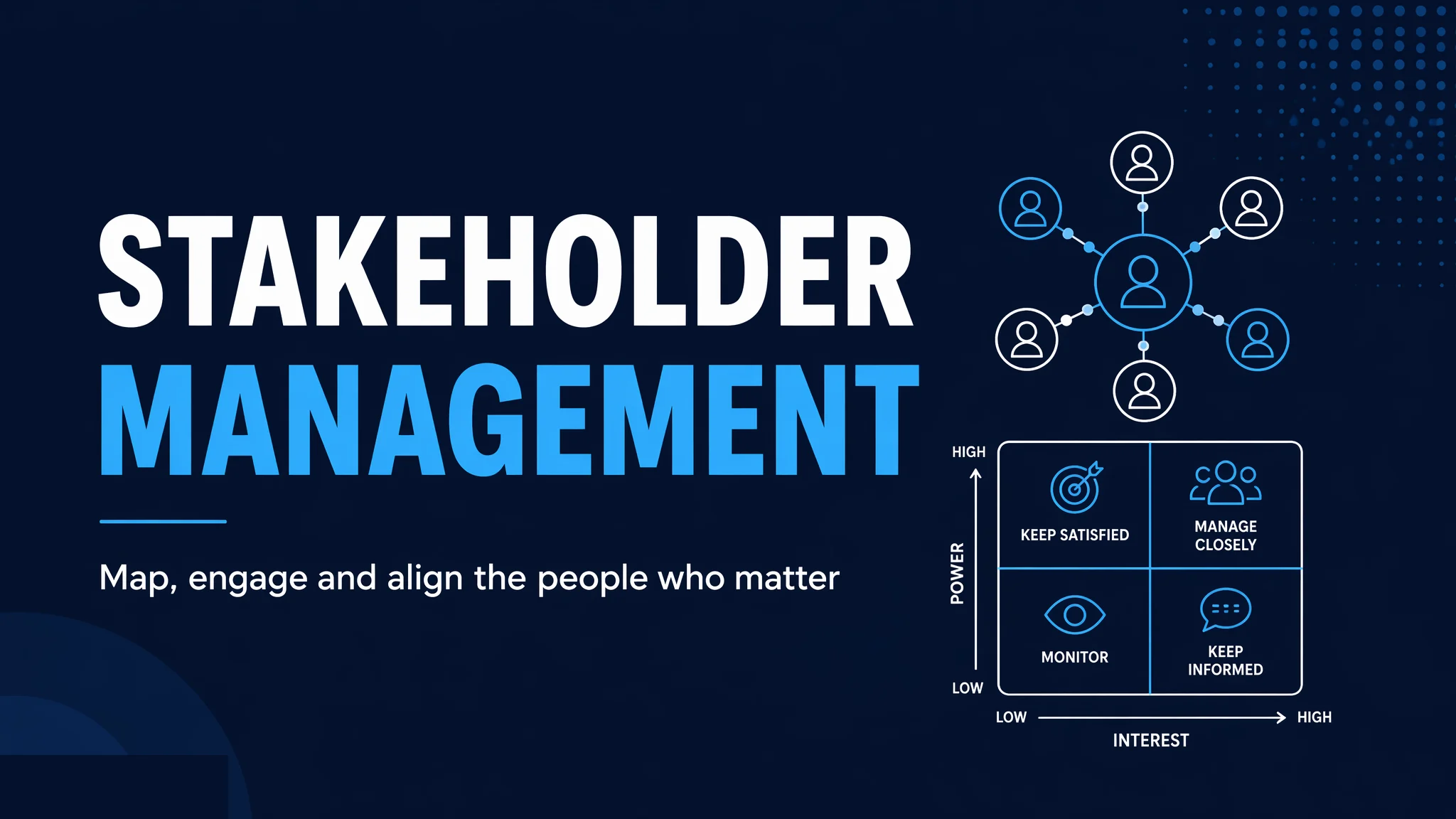
Stakeholder Management
Identify, map, and engage the people who can make or break your work. Power-interest mapping, engagement plans, and communication rhythms that keep sponsors on side.
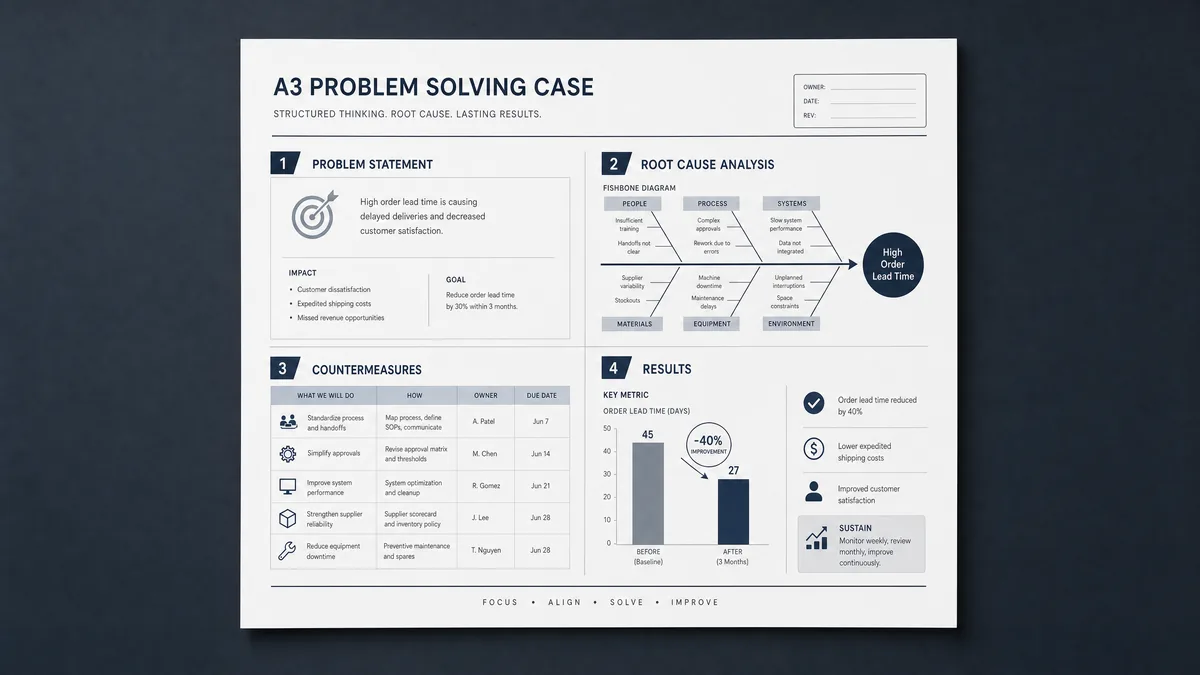
A3 Problem Solving — Think on One Page
The A3 problem-solving framework used at Toyota and world-class teams. Background, current state, root cause, countermeasures — on a single page.
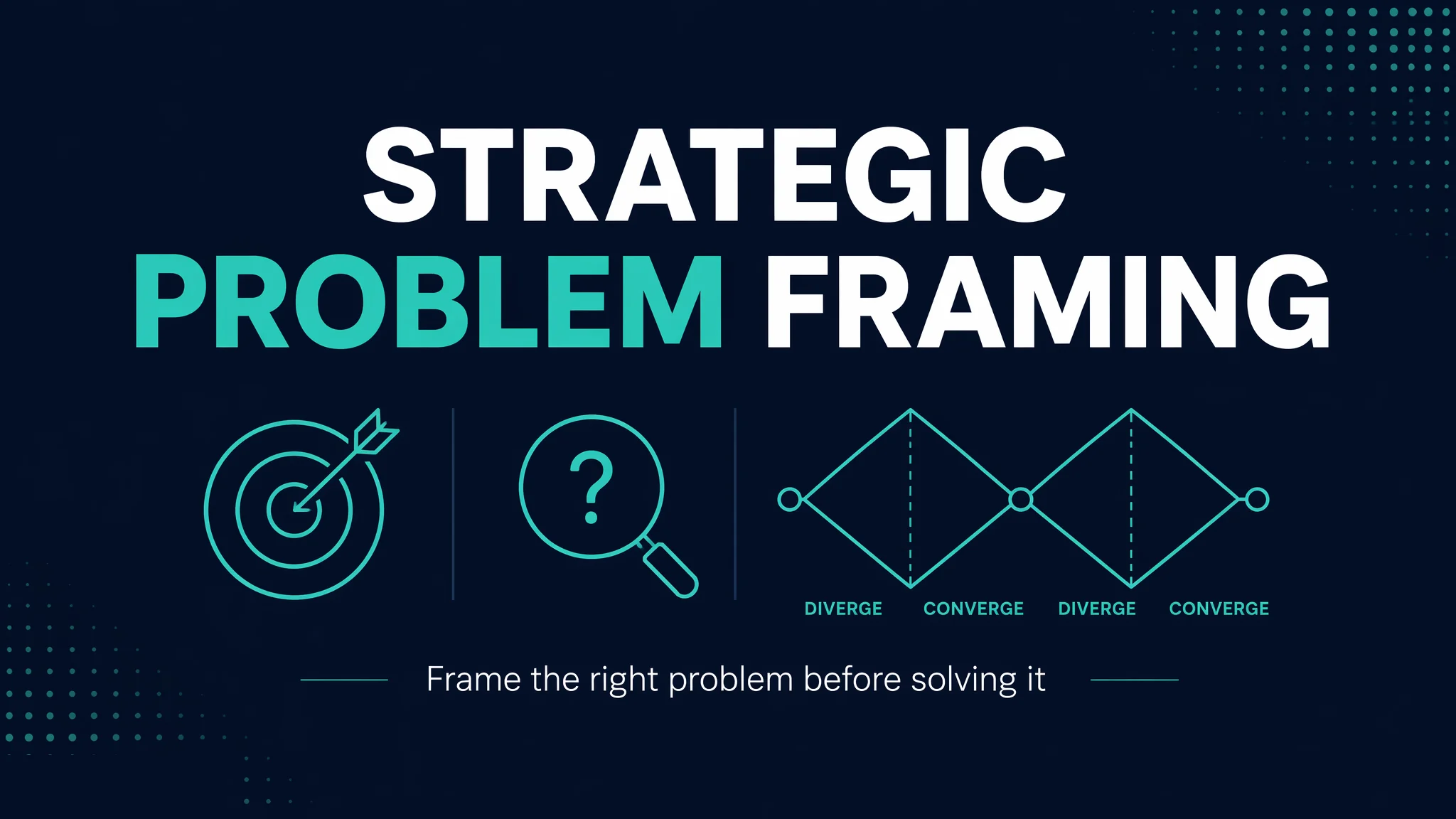
Strategic Problem Framing
The consultant's first skill: frame the right problem before solving anything. Issue trees, hypothesis-driven analysis, and scoping tools used by top firms.
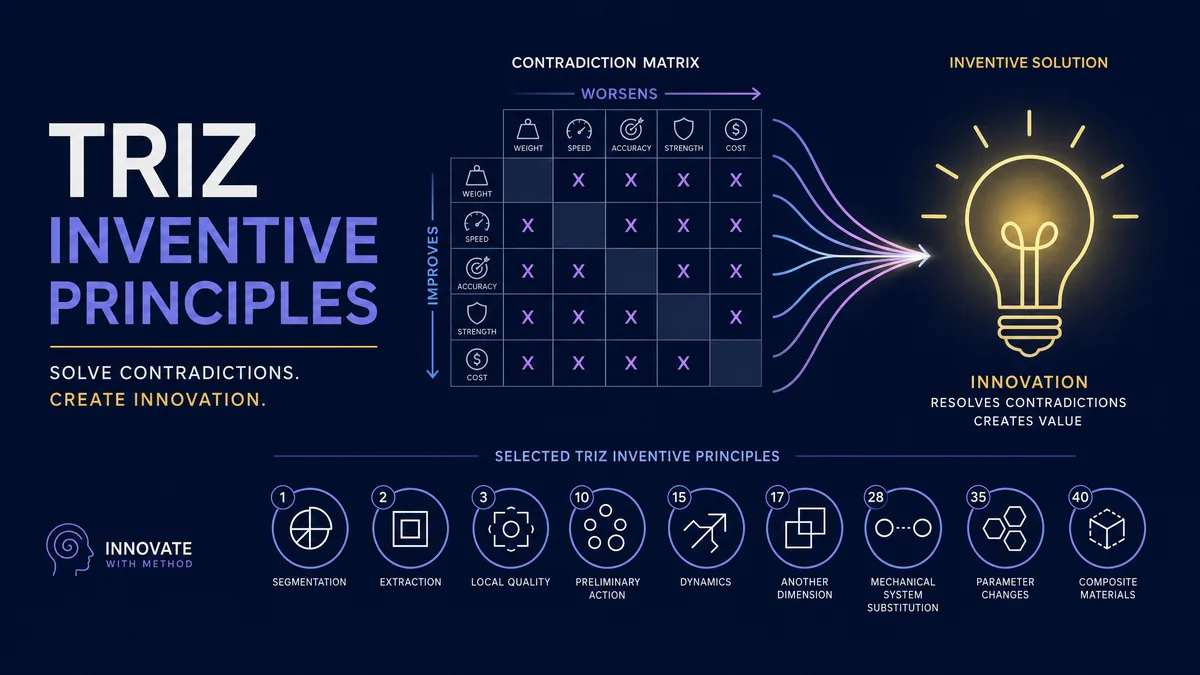
TRIZ — Inventive Problem Solving
Solve contradictions instead of compromising on them. Apply the 40 inventive principles and contradiction thinking to crack 'impossible' problems.
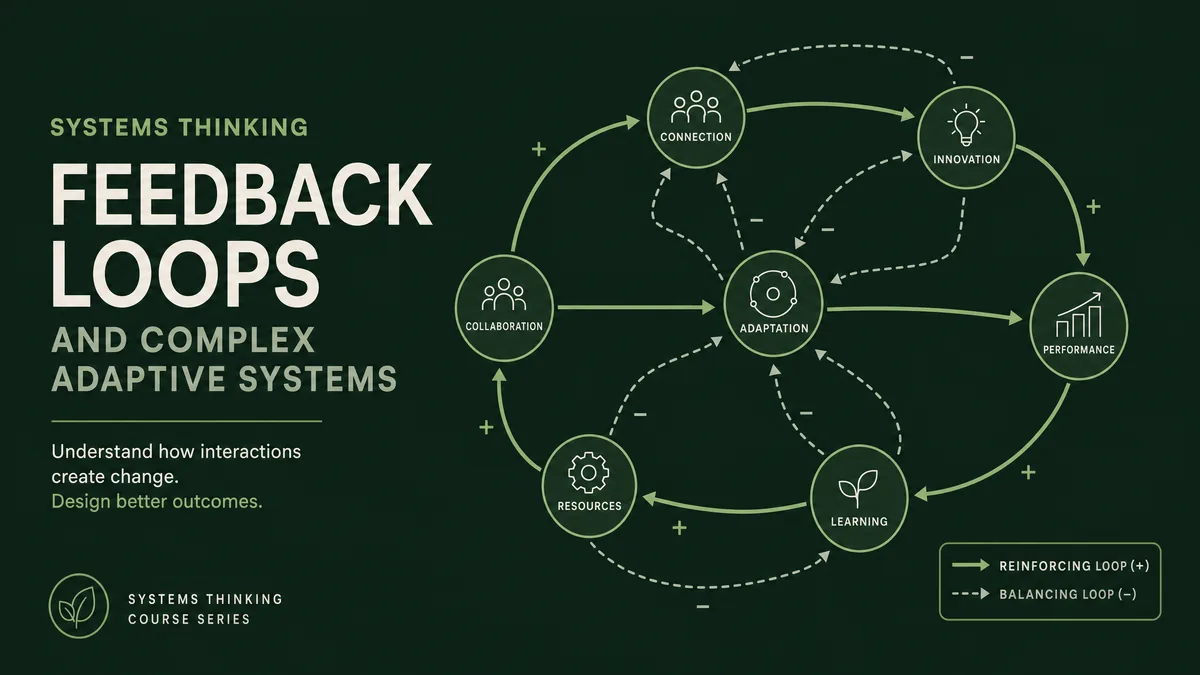
Systems Thinking — Seeing the Whole
See the whole system, not just the parts, and find leverage points others miss. Causal loop diagrams, archetypes, and intervention design for lasting change.
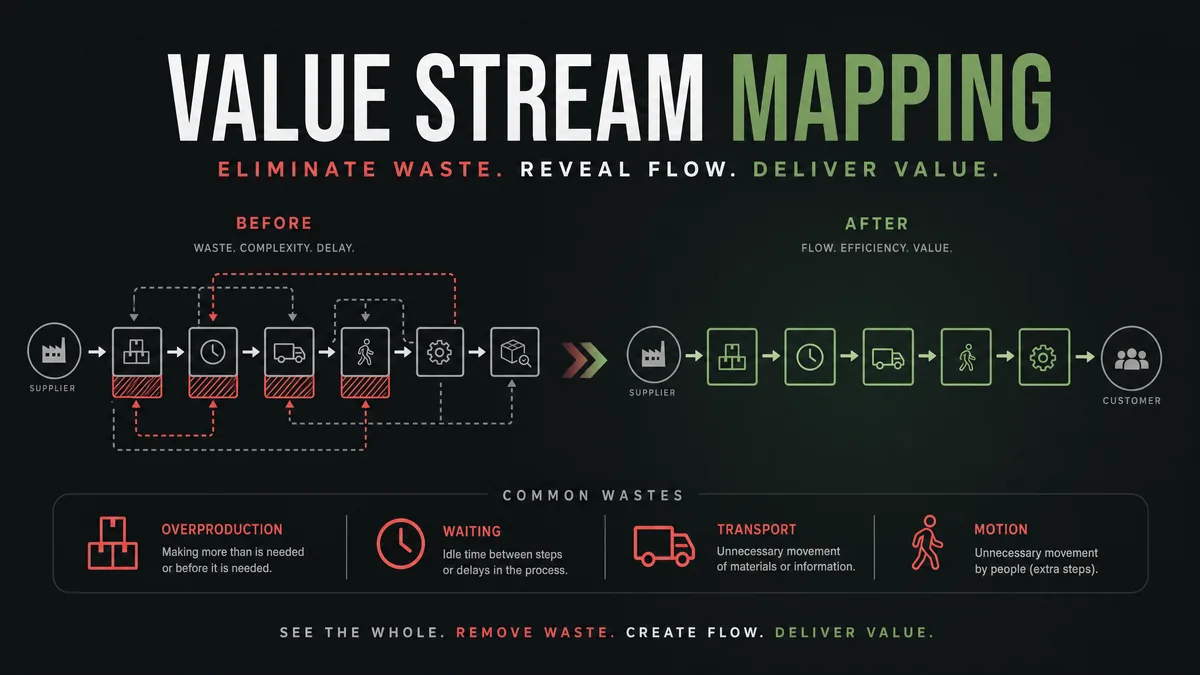
Lean Thinking — Eliminate Waste, Deliver Value
The foundational philosophy behind lean: identify value, map the stream, and eliminate waste. Flow, pull, and kaizen — the operating system behind world-class operations.
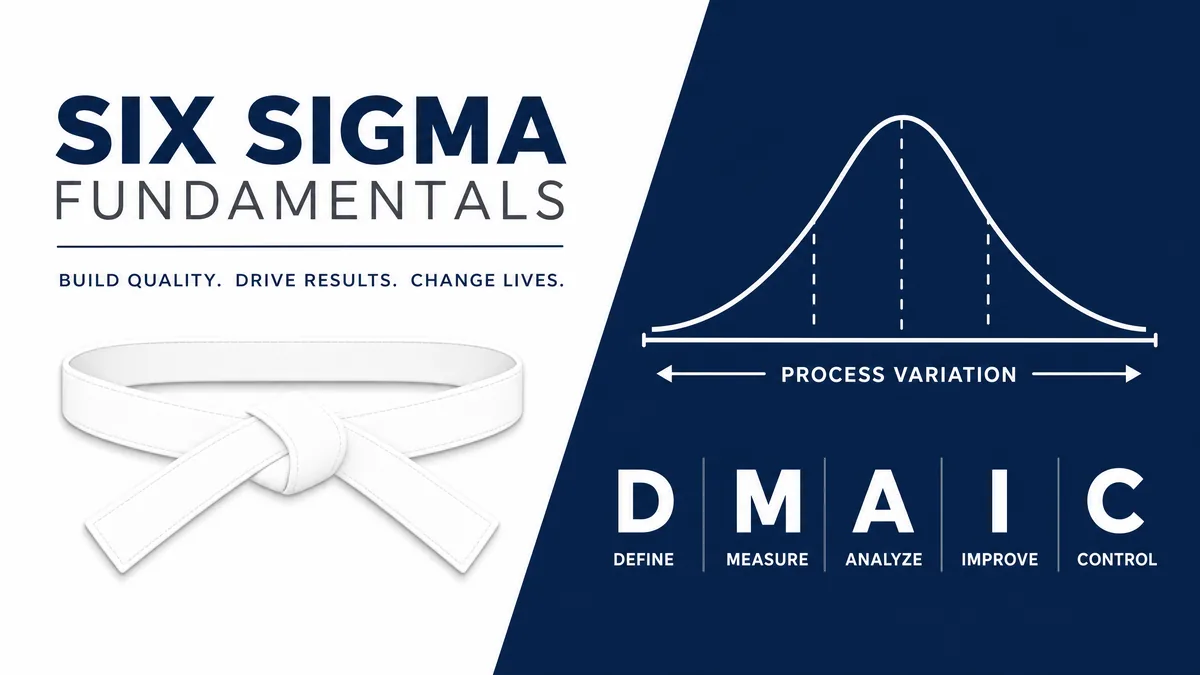
Six Sigma White Belt — The Foundation
Your entry point into Six Sigma: understand the language, the DMAIC cycle, and where improvement starts. Core vocabulary and your role in improvement projects.
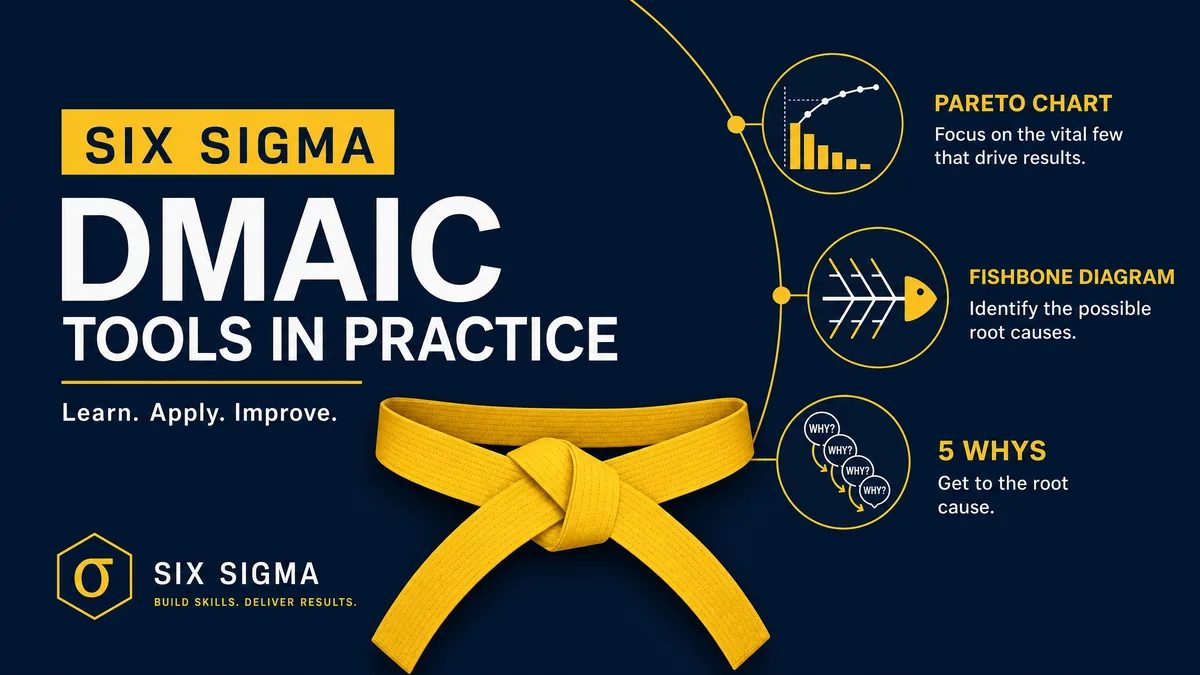
Six Sigma Yellow Belt — Tools in Practice
Go beyond awareness — collect data, map processes, and contribute meaningfully to Six Sigma projects. Hands-on with SIPOC, Pareto, and control charts.
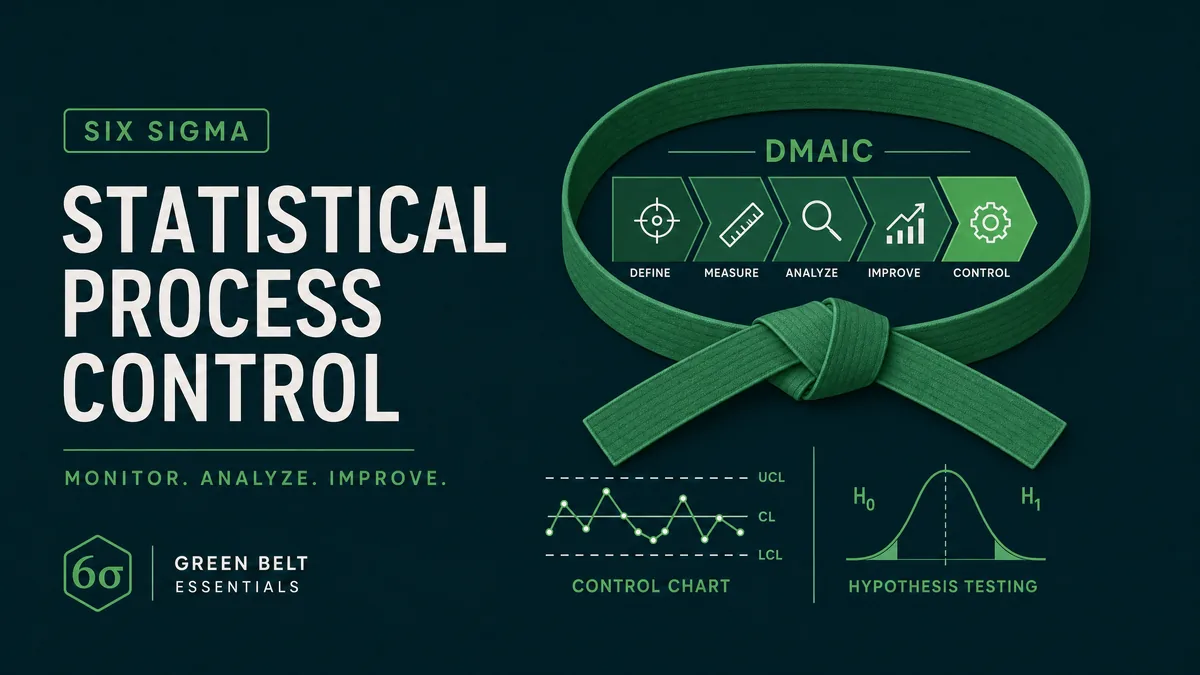
Six Sigma Green Belt (DMAIC Framework)
Lead full DMAIC projects with statistical rigour
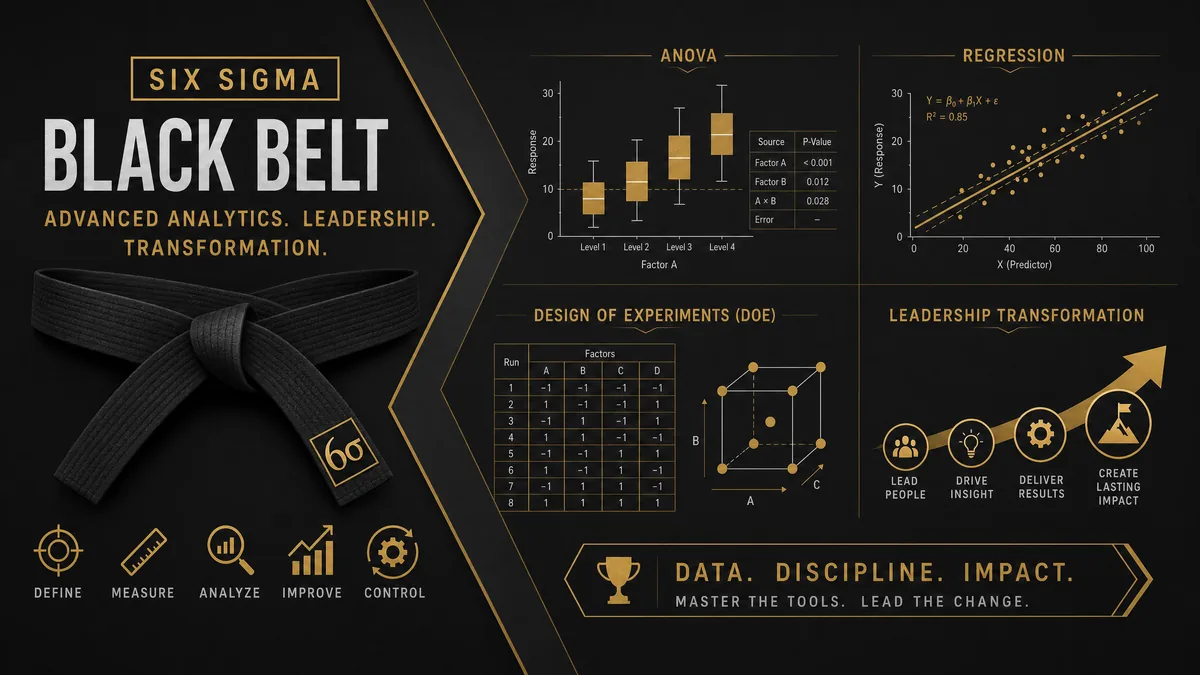
Six Sigma Black Belt — Leading Transformation
Drive enterprise-level improvement with advanced statistics and change leadership